
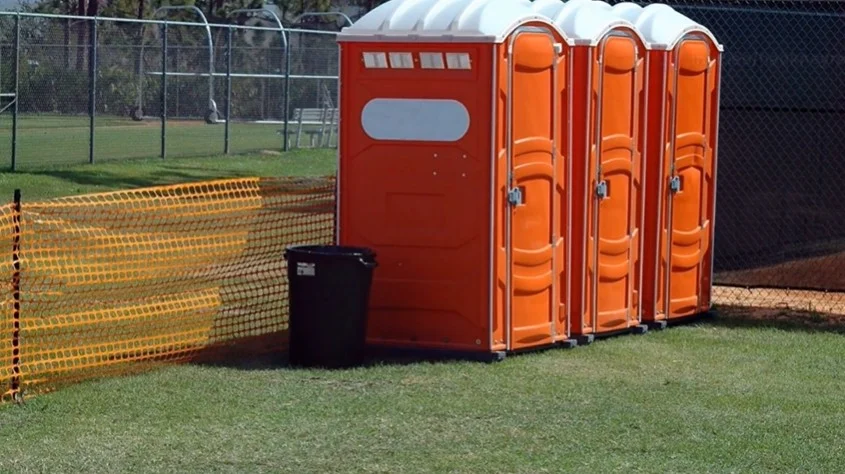
A unit that stays on site, serviced every week
A weekend event needs a unit for days. A job site, a long project, or a seasonal site needs one for weeks or months. That is what long-term rental is: the unit stays on site, it is serviced every week, it is billed monthly, and pickup is arranged when the job ends.
Porta Potty Rental Detroit MI arranges long-term rentals across Detroit and Metro Detroit for construction sites, long projects, and seasonal locations. Delivery, setup, weekly servicing, and pickup are part of the rental. Call (313) 385-3332.
Long-term rental vs event rental
An event rental is short. The unit arrives clean and stocked, and it is picked up when the event ends. A long-term rental works the other way around. The unit stays put, a service visit comes every week, and the rental runs by the month for as long as the site needs it.
That difference is also why long-term costs less per day than a weekend rental. Delivery and pickup happen once, and that cost is spread over weeks instead of days. A unit that sits on a job site for three months is a different product from a unit that sits at a wedding for one day, and it is priced and serviced differently.
What weekly servicing includes
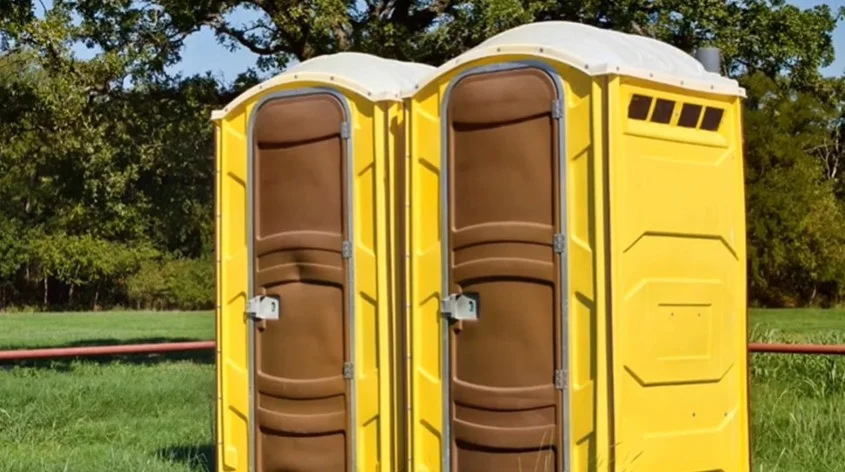
A service visit is not just a pump-out. Every weekly visit covers pumping and vacuuming the tank, washing and sanitising the seat, walls, floor, urinal, and touch points, adding fresh deodoriser, restocking toilet paper and hand sanitiser, refilling handwash stations where they are equipped, and checking the latch, vent, level, and door.
- Pumping and vacuuming the tank
- Washing and sanitising the seat, walls, floor, urinal, and touch points
- Adding fresh deodoriser
- Restocking toilet paper and hand sanitiser
- Refilling handwash stations where they are equipped
- Checking the latch, vent, level, and door
Your rental plan sets the service day. Sites with more than about ten users per unit, heavy crews, or summer heat usually need twice-weekly servicing instead of weekly. Tell us the crew size and the hours, and the plan sets the frequency before delivery.
Units for a long-term site
Standard units
The everyday job-site unit. Right for most crews and most sites.
ADA-accessible units
Wider door, grab bars, and turning space inside. Whether your site needs one depends on who uses it. A site open to the public follows the usual guidance of about 5% accessible units per group, at least one. A construction site used by the crew only follows different rules. Tell us who uses the site and the plan covers it, including keeping the route to an accessible unit firm and level over months of mud, snow, and site changes.
Handwash stations
Sinks with water, soap, and towels, paired with the units. Where workers handle paints, coatings, or other contaminants, washing facilities belong near the work, and hand sanitiser alone is not a substitute where washing is required.
Luxury restroom trailers
For long-term sites where a standard unit is not the right fit, such as a months-long project office or a seasonal location with visitors. Trailers are a separate rental with their own servicing plan.
How many units does a construction crew need?
The official table is OSHA 29 CFR 1926.51. Twenty or fewer workers need at least one toilet. Over twenty workers, the rule is one toilet seat plus one urinal per forty workers. At two hundred or more, it is one seat plus one urinal per fifty workers.
| Workers | OSHA 29 CFR 1926.51 requirement |
|---|---|
| Twenty or fewer | At least one toilet |
| Over twenty | One toilet seat plus one urinal per forty workers |
| Two hundred or more | One seat plus one urinal per fifty workers |
In practice, one unit per ten workers with weekly servicing is the number that stays sanitary on a working site. That comes from the industry standard (ANSI/PSAI Z4.3) and from OSHA’s own interpretation, not from the OSHA table alone. OSHA sets no servicing frequency by itself, so any page that claims “OSHA requires weekly service” is overstating the rule. Weekly service is the industry standard, and heavy-use sites step up to twice-weekly.
Tell us the crew size and how it changes over the project, and the plan sets the unit count before delivery, not after the first complaint.
Detroit winters: November to March
A unit left on site through a Detroit winter needs a winter plan. Tanks get winter treatment, handwash water freezes (which is why sanitiser matters more than water sinks in deep cold), and the path to the unit has to stay shoveled so every service visit stays on track.
Your rental plan covers how servicing runs from November to March. Ask about winter service when you book, especially for a site that runs straight through January, when lows regularly fall into the teens or lower.
What long-term rental costs
Here is the honest picture: no Detroit competitor publishes a clean long-term price table. What exists is scattered weekly figures, and they do not all include the same things, so read them with the labels attached.
- A Detroit company, detportapotty.com, publishes standard units at $110 to $185 per week, stated to include delivery, weekly service, and final pickup.
- Another Detroit company, Detroit Porta Pros, publishes standard units at about $200 per week and ADA units at $240 per week, with delivery billed separately. Their monthly figure equals their weekly figure, which does not add up, so no monthly figure from them is used here.
- A Detroit network site, Mackinac, publishes standard units at $85 to $150 per week, and construction at about $120 per week with twice-weekly servicing. That is a template-network figure, not a confirmed local yard rate.
- A Wayne County guide, Aptera, lists $130 to $350 per month for a standard non-flush unit, but that figure is WITHOUT weekly service, so it is not comparable to a serviced rental.
- National guides put a 28-day standard month at $100 to $500 and a 28-day ADA month at $150 to $600. Those are national ranges, not Detroit rates.
Weekend and event rates are a different product and are not used here. What a long-term rental actually costs depends on unit type, crew size, service frequency, site location, and how many months the site runs.
Two things from this site’s own rental terms do apply. Long-term rentals of three months or more qualify for additional discounts, and contractor accounts come with simplified monthly billing. Ask about both when you book. You get a written price before delivery, and the price on your invoice is the price you were given. No fuel surcharges, no environmental fees, no billing surprises.
Call (313) 385-3332 for your written price.
More than one site, or a job in phases
If you run more than one site, the rental plan covers every site under one contractor account, instead of a separate arrangement for each lot. If a job runs in phases and the crew ramps up or down, tell us in advance. Units are added or removed as the phases change, and the service frequency changes with the crew size.
When the job ends, pickup is arranged and a final pump-out is done before the unit leaves. Ask how billing stops when you book, so the end of the rental is as clear as the start.
Damage, security, and site rules
No Detroit competitor publishes a damage or vandalism policy, and this page will not invent one. Ask about damage and site-security terms when you book. They are part of the rental plan. As a practical matter, report damage the same day so the unit can be swapped, keep fire, grills, and heaters away from the units, and do not move a unit once it is placed.
Placement rules work the same way. Whether a placement needs City approval depends on where the unit sits. Private property and street, sidewalk, or park placements are treated differently, and Detroit competitors disagree about which office handles it. Confirm before booking, and the rental plan covers what the site needs. No office, fee, or form is named here because none could be confirmed.
Where we rent long-term
Detroit and Metro Detroit, including Hamtramck, Warren, Dearborn, and the Wayne County suburbs. Long-term rentals suit construction sites, road and utility work, seasonal locations, plant lots, and any site where a unit needs to stay put for weeks or months.
Frequently Asked Questions
How long can I rent a porta potty?
What does weekly servicing include?
How many units does my construction crew need?
Do I need an ADA unit for a long-term site?
What happens in winter?
What does long-term rental cost?
Can I extend the rental, or end it early?
Do you cover multiple sites or jobs in phases?
Do I need a permit for a long-term placement?
What if a unit is damaged or vandalised?
A long-term rental is simple when the plan is set before delivery
A long-term rental is simple when the plan is set before delivery: the right unit count, a weekly service day, monthly billing, and pickup arranged when the job ends. Call (313) 385-3332. Open Mon-Sat 7AM-7PM, Sun 7AM-12PM, with 24/7 emergency help.
Open Mon-Sat 7AM-7PM, Sun 7AM-12PM, with 24/7 emergency help